Buy maglieria.eu ?
We are moving the project
maglieria.eu .
Are you interested in purchasing the domain
maglieria.eu ?
domain@kv-gmbh.de · 0541-91531010
Buy maglieria.eu ?
Is it competitive or non-competitive inhibition?
It is non-competitive inhibition. This is because the inhibitor binds to an allosteric site on the enzyme, which is different from the active site where the substrate binds. This type of inhibition does not compete with the substrate for binding to the enzyme, hence the name non-competitive inhibition. **
Non-competitive inhibition, right?
Non-competitive inhibition is a type of enzyme inhibition where the inhibitor binds to a site on the enzyme that is not the active site. This binding causes a conformational change in the enzyme, making it less effective at catalyzing the reaction. Non-competitive inhibitors do not compete with the substrate for binding to the enzyme. Instead, they can bind to the enzyme-substrate complex or to a separate allosteric site on the enzyme. **


Similar search terms for Non-competitive
Top-Angebote
Products related to Non-competitive:
-
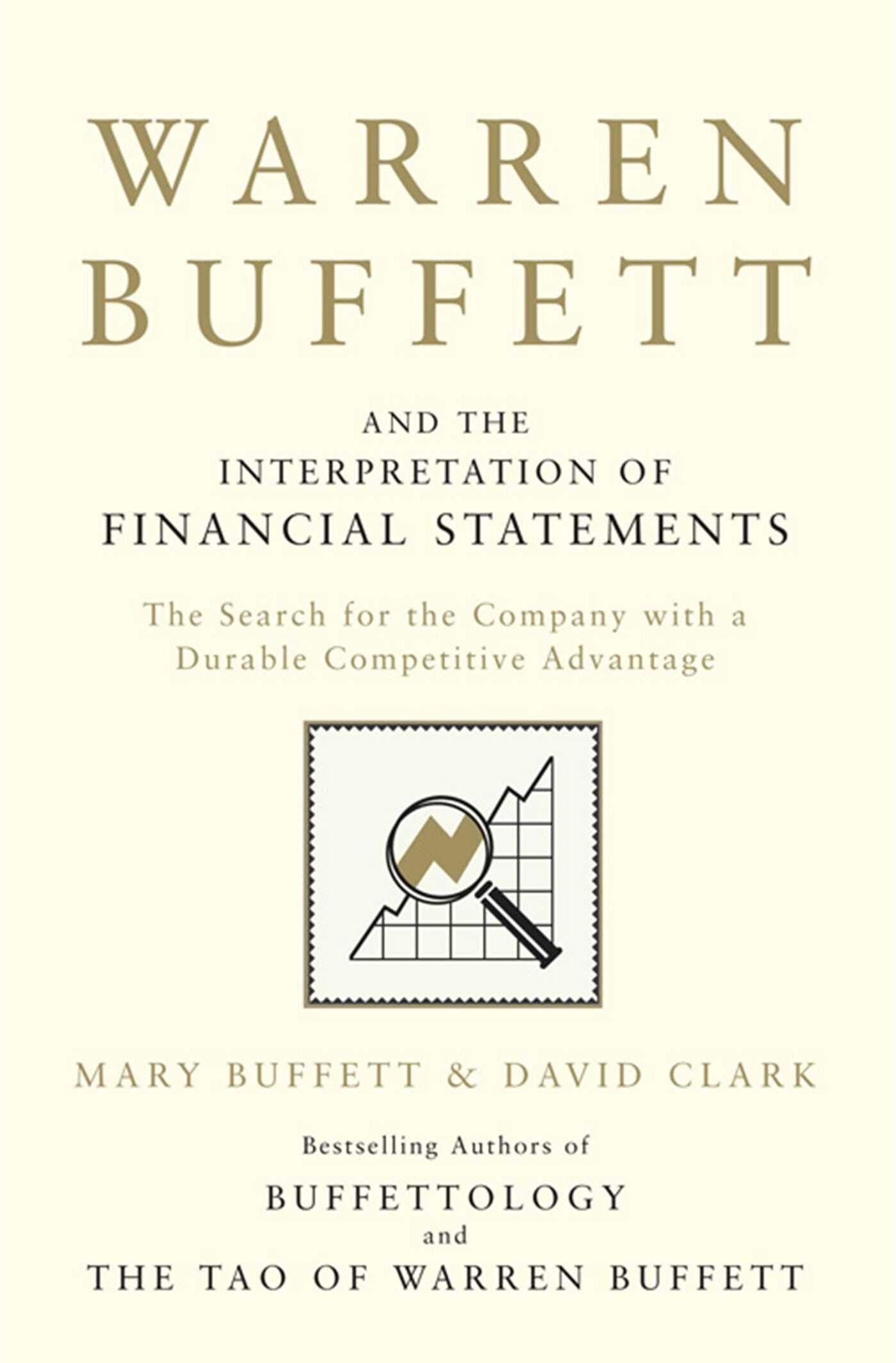
Simon and Schuster UK Warren Buffett and the Interpretation of Financial Statements: The Search for the Company with a Durable Competitive AdvantageWith an insider's view of the mind of the master, Mary Buffett and David Clark have written a simple guide for reading financial statements from Buffett's successful perspective. They clearly outline Warren Buffett's strategies in a way that will appeal to newcomers and seasoned Buffettologists alike. Inspired by the seminal work of Buffett's mentor, Benjamin Graham, this book presents Buffett's interpretation of financial statements with anecdotes and quotes from the master investor himself. Destined to become a classic in the world of investment books, Warren Buffett and the Interpretation of Financial Statements is the perfect companion volume to The New Buffettology and The Tao of Warren Buffett.4,95 £*Shipping: 1,99 £Secure redirect to the provider
-
David & Charles Colorful Crochet Knitwear : Crochet sweaters and more with mosaic, intarsia and tapestry crochet patternsCrochet bright and beautiful clothes and accessories with this guide to the most exciting crochet colorwork techniques including intarsia, mosaic and tapestry crochet. Why should knitters have all the fun when it comes to colourwork? If you prefer using one hook to two needles but wish you could crochet colourful garments like knitters then this collection of colourful crochet clothing is for you. Whether it's a sweater with a decorative yoke or a matching beanie and glove set in a Scandinavian-inspired design, this collection of crochet patterns shows that it's not just knitters who can make colorwork sweaters and accessories - crochet can be just as versatile once you know the techniques.Author, Sandra Gutierrez, explains how to use tapestry crochet and its variations to create fairisle crochet patterns on garments and accessories. Other colorwork techniques included are standard mosaic crochet, worked flat and in the round; single row mosaic crochet worked in the round to create texture; intarsia crochet which lends itself to more graphic images; and how to use stripes and color blocking as an accent on a shawl and sweater. There are step-by-step instructions and photography explaining all the different crochet colorwork techniques with detailed instructions about how to change colour, carrying floats and the importance of swatching and gauge.There are also general techniques about how to choose colors, how different yarns create different effects and how to substitute yarn. The collection also includes a number of garment construction techniques so you can build your crochet clothing skills as well as learning the colorwork techniques. Some of the techniques included are: top down construction; how to stitch a circular yoke; shaping raglan sleeves; vertical construction; shaping with short rows and how to make faux I-cords.10,99 £*Shipping: 2,99 £Secure redirect to the provider
-
GlowBake Autumn Winter Women Sweater, Fashion Warm Bottoming Shirts, Half High Collar Knitwear Solid Long Sleeve Pullovers white sDiscover the perfect layer this season with our premium Autumn Winter Women Sweater, designed to combine comfort and style in one smart piece. Crafted with a soft, breathable knit fabric, this sweater delivers on both warmth and versatility. Whether...29,97 $*Shipping: 0,00 $Secure redirect to the provider
-
Multisell Products Hub Aesthetic Grunge Babydoll Knitted Sweater, Cottage Milkmaid Pullovers, Knitwear T shirts For Women type 7 lCharming and Comfortable Style: Add a touch of cozy elegance to your wardrobe with this Babydoll Knitted Sweater Top. Designed for the modern woman, this Cottage Milkmaid Pullover blends delicate femininity with a unique Aesthetic Grunge vibe....49,97 $*Shipping: 0,00 $Secure redirect to the provider



-
What is the difference between competitive and non-competitive inhibition?
Competitive inhibition occurs when a molecule competes with the substrate for the active site of the enzyme, thus reducing the enzyme's ability to bind with the substrate. Non-competitive inhibition, on the other hand, occurs when a molecule binds to a site on the enzyme other than the active site, causing a conformational change in the enzyme that reduces its activity. In competitive inhibition, increasing the substrate concentration can overcome the inhibition, while in non-competitive inhibition, increasing the substrate concentration does not alleviate the inhibition. **
-
Is non-competitive inhibition irreversible or reversible?
Non-competitive inhibition is a type of enzyme inhibition that is reversible. In non-competitive inhibition, the inhibitor binds to the enzyme at a site other than the active site, causing a conformational change in the enzyme that reduces its activity. This type of inhibition can be overcome by increasing the substrate concentration, as it does not involve permanent alteration of the enzyme. **
-
What is an example of non-competitive inhibition?
An example of non-competitive inhibition is the binding of an allosteric inhibitor to an enzyme at a site other than the active site. This binding causes a conformational change in the enzyme, which reduces its activity and prevents the substrate from binding to the active site. This type of inhibition does not compete with the substrate for binding to the active site, hence the term "non-competitive." An example of this is the binding of ATP to the enzyme phosphofructokinase in glycolysis, which inhibits its activity. **
-
Can you give me an example of competitive and non-competitive inhibition in biology?
Sure! In competitive inhibition, a molecule similar in structure to the substrate competes with the substrate for the active site of the enzyme. This prevents the substrate from binding to the enzyme and carrying out its normal function. An example of this is the drug statins, which competitively inhibit the enzyme HMG-CoA reductase, involved in cholesterol synthesis. In non-competitive inhibition, a molecule binds to the enzyme at a location other than the active site, causing a conformational change in the enzyme that reduces its activity. An example of this is the poison cyanide, which non-competitively inhibits the enzyme cytochrome c oxidase in the electron transport chain, disrupting cellular respiration. **


Is allosteric inhibition the same as non-competitive inhibition?
Allosteric inhibition and non-competitive inhibition are not the same, although they are related. Non-competitive inhibition refers to the binding of an inhibitor to a site on the enzyme that is not the active site, thereby preventing the substrate from binding to the active site. Allosteric inhibition, on the other hand, occurs when an inhibitor binds to a site on the enzyme that is distinct from the active site, causing a conformational change in the enzyme that reduces its activity. While both types of inhibition involve the binding of an inhibitor to a site other than the active site, allosteric inhibition specifically involves a change in the enzyme's shape and activity. **
What is the difference between non-competitive and allosteric inhibition?
Non-competitive inhibition occurs when an inhibitor binds to an enzyme at a site other than the active site, causing a conformational change that prevents the substrate from binding. This type of inhibition is not affected by the concentration of the substrate. On the other hand, allosteric inhibition occurs when an inhibitor binds to an allosteric site on the enzyme, causing a conformational change that reduces the enzyme's activity. Allosteric inhibition is often reversible and can be overcome by increasing the concentration of the substrate. **
Top-Angebote
Products related to Non-competitive:
-
All Categories Goods Premium Wooden Chess Clock Timer Classic Mechanical Chess Clock For Competitive Play & Home Games Premium Wooden Chess Clock Timer Classic Mechanical Chess Clock For Competitive Play & Home GamesTurn every match into a memorable showdown with this timeless chess clock timer, crafted for both serious players and casual game nights. Whether youre practicing strategy or competing with friends, its classic mechanical design brings reliable...99,97 $*Shipping: 0,00 $Secure redirect to the provider
-
Inspire Daily Merch Safe Kids Desktop Turtles Eat Beans Game Entertainment Educational Competitive Toy For Parent child Interaction 36 BeansEducational Fun for Kids The Kids Desktop Competitive Games Turtles Eat Beans toy is designed to offer hours of engaging fun while promoting valuable parentchild interaction. This safe and educational toy helps children develop essential skills such...69,97 $*Shipping: 0,00 $Secure redirect to the provider
-
Simon and Schuster UK Warren Buffett and the Interpretation of Financial Statements: The Search for the Company with a Durable Competitive AdvantageWith an insider's view of the mind of the master, Mary Buffett and David Clark have written a simple guide for reading financial statements from Buffett's successful perspective. They clearly outline Warren Buffett's strategies in a way that will appeal to newcomers and seasoned Buffettologists alike. Inspired by the seminal work of Buffett's mentor, Benjamin Graham, this book presents Buffett's interpretation of financial statements with anecdotes and quotes from the master investor himself. Destined to become a classic in the world of investment books, Warren Buffett and the Interpretation of Financial Statements is the perfect companion volume to The New Buffettology and The Tao of Warren Buffett.4,95 £*Shipping: 1,99 £Secure redirect to the provider
-
David & Charles Colorful Crochet Knitwear : Crochet sweaters and more with mosaic, intarsia and tapestry crochet patternsCrochet bright and beautiful clothes and accessories with this guide to the most exciting crochet colorwork techniques including intarsia, mosaic and tapestry crochet. Why should knitters have all the fun when it comes to colourwork? If you prefer using one hook to two needles but wish you could crochet colourful garments like knitters then this collection of colourful crochet clothing is for you. Whether it's a sweater with a decorative yoke or a matching beanie and glove set in a Scandinavian-inspired design, this collection of crochet patterns shows that it's not just knitters who can make colorwork sweaters and accessories - crochet can be just as versatile once you know the techniques.Author, Sandra Gutierrez, explains how to use tapestry crochet and its variations to create fairisle crochet patterns on garments and accessories. Other colorwork techniques included are standard mosaic crochet, worked flat and in the round; single row mosaic crochet worked in the round to create texture; intarsia crochet which lends itself to more graphic images; and how to use stripes and color blocking as an accent on a shawl and sweater. There are step-by-step instructions and photography explaining all the different crochet colorwork techniques with detailed instructions about how to change colour, carrying floats and the importance of swatching and gauge.There are also general techniques about how to choose colors, how different yarns create different effects and how to substitute yarn. The collection also includes a number of garment construction techniques so you can build your crochet clothing skills as well as learning the colorwork techniques. Some of the techniques included are: top down construction; how to stitch a circular yoke; shaping raglan sleeves; vertical construction; shaping with short rows and how to make faux I-cords.10,99 £*Shipping: 2,99 £Secure redirect to the provider
-
Is it competitive or non-competitive inhibition?
It is non-competitive inhibition. This is because the inhibitor binds to an allosteric site on the enzyme, which is different from the active site where the substrate binds. This type of inhibition does not compete with the substrate for binding to the enzyme, hence the name non-competitive inhibition. **
-
Non-competitive inhibition, right?
Non-competitive inhibition is a type of enzyme inhibition where the inhibitor binds to a site on the enzyme that is not the active site. This binding causes a conformational change in the enzyme, making it less effective at catalyzing the reaction. Non-competitive inhibitors do not compete with the substrate for binding to the enzyme. Instead, they can bind to the enzyme-substrate complex or to a separate allosteric site on the enzyme. **
-
What is the difference between competitive and non-competitive inhibition?
Competitive inhibition occurs when a molecule competes with the substrate for the active site of the enzyme, thus reducing the enzyme's ability to bind with the substrate. Non-competitive inhibition, on the other hand, occurs when a molecule binds to a site on the enzyme other than the active site, causing a conformational change in the enzyme that reduces its activity. In competitive inhibition, increasing the substrate concentration can overcome the inhibition, while in non-competitive inhibition, increasing the substrate concentration does not alleviate the inhibition. **
-
Is non-competitive inhibition irreversible or reversible?
Non-competitive inhibition is a type of enzyme inhibition that is reversible. In non-competitive inhibition, the inhibitor binds to the enzyme at a site other than the active site, causing a conformational change in the enzyme that reduces its activity. This type of inhibition can be overcome by increasing the substrate concentration, as it does not involve permanent alteration of the enzyme. **
Similar search terms for Non-competitive
-
GlowBake Autumn Winter Women Sweater, Fashion Warm Bottoming Shirts, Half High Collar Knitwear Solid Long Sleeve Pullovers white sDiscover the perfect layer this season with our premium Autumn Winter Women Sweater, designed to combine comfort and style in one smart piece. Crafted with a soft, breathable knit fabric, this sweater delivers on both warmth and versatility. Whether...29,97 $*Shipping: 0,00 $Secure redirect to the provider
-
Multisell Products Hub Aesthetic Grunge Babydoll Knitted Sweater, Cottage Milkmaid Pullovers, Knitwear T shirts For Women type 7 lCharming and Comfortable Style: Add a touch of cozy elegance to your wardrobe with this Babydoll Knitted Sweater Top. Designed for the modern woman, this Cottage Milkmaid Pullover blends delicate femininity with a unique Aesthetic Grunge vibe....49,97 $*Shipping: 0,00 $Secure redirect to the provider
-
Inspire Daily Merch Safe Kids Desktop Turtles Eat Beans Game Entertainment Educational Competitive Toy For Parent child Interaction 72 BeansEducational Fun for Kids The Kids Desktop Competitive Games Turtles Eat Beans toy is designed to offer hours of engaging fun while promoting valuable parentchild interaction. This safe and educational toy helps children develop essential skills such...94,97 $*Shipping: 0,00 $Secure redirect to the provider
-
GlowBake Autumn Winter Women Sweater, Fashion Warm Bottoming Shirts, Half High Collar Knitwear Solid Long Sleeve Pullovers black sDiscover the perfect layer this season with our premium Autumn Winter Women Sweater, designed to combine comfort and style in one smart piece. Crafted with a soft, breathable knit fabric, this sweater delivers on both warmth and versatility. Whether...29,97 $*Shipping: 0,00 $Secure redirect to the provider
-
What is an example of non-competitive inhibition?
An example of non-competitive inhibition is the binding of an allosteric inhibitor to an enzyme at a site other than the active site. This binding causes a conformational change in the enzyme, which reduces its activity and prevents the substrate from binding to the active site. This type of inhibition does not compete with the substrate for binding to the active site, hence the term "non-competitive." An example of this is the binding of ATP to the enzyme phosphofructokinase in glycolysis, which inhibits its activity. **
-
Can you give me an example of competitive and non-competitive inhibition in biology?
Sure! In competitive inhibition, a molecule similar in structure to the substrate competes with the substrate for the active site of the enzyme. This prevents the substrate from binding to the enzyme and carrying out its normal function. An example of this is the drug statins, which competitively inhibit the enzyme HMG-CoA reductase, involved in cholesterol synthesis. In non-competitive inhibition, a molecule binds to the enzyme at a location other than the active site, causing a conformational change in the enzyme that reduces its activity. An example of this is the poison cyanide, which non-competitively inhibits the enzyme cytochrome c oxidase in the electron transport chain, disrupting cellular respiration. **
-
Is allosteric inhibition the same as non-competitive inhibition?
Allosteric inhibition and non-competitive inhibition are not the same, although they are related. Non-competitive inhibition refers to the binding of an inhibitor to a site on the enzyme that is not the active site, thereby preventing the substrate from binding to the active site. Allosteric inhibition, on the other hand, occurs when an inhibitor binds to a site on the enzyme that is distinct from the active site, causing a conformational change in the enzyme that reduces its activity. While both types of inhibition involve the binding of an inhibitor to a site other than the active site, allosteric inhibition specifically involves a change in the enzyme's shape and activity. **
-
What is the difference between non-competitive and allosteric inhibition?
Non-competitive inhibition occurs when an inhibitor binds to an enzyme at a site other than the active site, causing a conformational change that prevents the substrate from binding. This type of inhibition is not affected by the concentration of the substrate. On the other hand, allosteric inhibition occurs when an inhibitor binds to an allosteric site on the enzyme, causing a conformational change that reduces the enzyme's activity. Allosteric inhibition is often reversible and can be overcome by increasing the concentration of the substrate. **
* All prices are inclusive of VAT and, if applicable, plus shipping costs. The offer information is based on the details provided by the respective shop and is updated through automated processes. Real-time updates do not occur, so deviations can occur in individual cases. ** Note: Parts of this content were created by AI.